
Streamline Your Projects with Accurate Building Surveys

When embarking on any construction or renovation project, having precise and reliable information about the existing structure is crucial. Accurate building surveys provide the foundation for successful planning, budgeting, and execution. They help avoid costly mistakes, delays, and misunderstandings by delivering detailed insights into the building’s condition and dimensions.
Understanding the importance of these surveys can transform how you approach your projects, ensuring smoother workflows and better outcomes. This article explores the benefits of accurate building surveys, what they entail, and how they can streamline your projects from start to finish.
Why Accurate Measured Building Surveys Matter
Accurate building surveys are essential for gaining a comprehensive understanding of a property before any work begins. They provide detailed measurements, structural assessments, and documentation that inform every stage of your project.
Key Benefits of Accurate Building Surveys
Risk Reduction: Identifying potential structural issues early prevents unexpected problems during construction.
Cost Efficiency: Accurate data helps create realistic budgets and avoid costly changes later.
Improved Planning: Detailed surveys allow architects and engineers to design with confidence.
Regulatory Compliance: Surveys ensure your project meets local building codes and regulations.
Enhanced Communication: Clear documentation facilitates better collaboration among stakeholders.
For example, if you are renovating an old building, an accurate survey can reveal hidden defects such as subsidence that might otherwise be missed. This knowledge allows you to address these issues proactively, saving time and money.

What is Included and Excluded in an Measured Building Survey?
Includes:
Measured Drawings or 3D models: Precise floor plans, elevations, and sections of existing building that reflect the building’s current dimensions.
Excluded:
Structural Analysis: Evaluation of the building’s framework, foundations, and load-bearing elements.
Condition Reports: Identification of defects, wear, and potential hazards.
Material Assessment: Information on the types and conditions of materials used.
Compliance Checks: Verification against building regulations and safety standards.
For instance, architects rely on measured drawings to create designs that fit perfectly within existing spaces, while contractors use condition reports to plan necessary repairs.
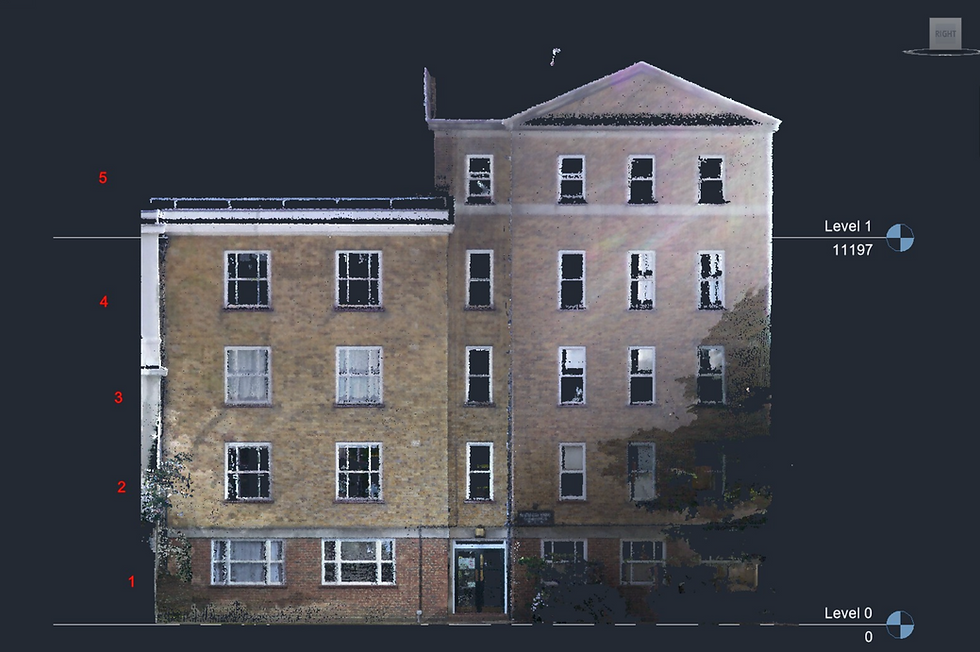
One of the most trusted methods to obtain this data is through using laser measured building surveys, which combine precision and speed in its technology to deliver highly accurate results.
Forget about the old days of hand sketching that my take long hours and limits your ability to how large projects you can work on, with 3D laser scanners there is no limits.

How long does a 3D Scanned measured survey take?
The duration of a measured building survey depends on several factors, including the size and complexity of the property, the level of detail required, and the surveyor’s methods. Generally, surveys can take anywhere from a 1-3 hours for residential properties to several days for large commercial buildings.
Factors Influencing Survey Time
Property Size: Larger buildings require more time to measure and date to process.
Complexity: Buildings with many small rooms compared to one large open space will take longer time and will required more scans.
Location: Travel is a big part of the job and for some jobs the travel takes more than the job itself.
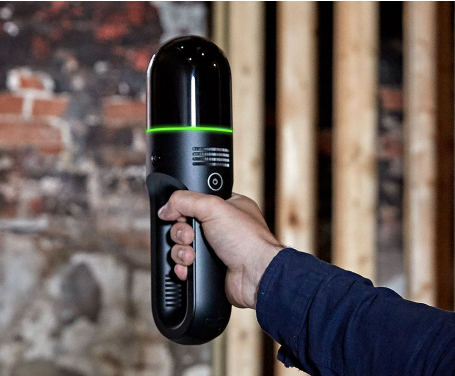
Technology Used: There are handheld scansers Leica BLK2GO for quicker, simpler jobs, and tripod-based ones for greater accuracy Leica BLK 360 G2, which take more time. For some projects, we use a combination of both.
Access and Conditions: Difficult access or poor weather can extend survey time.
For example, a typical two-story terraced house might be surveyed 2-3 hours, while detached house with large land arround it my take addition 1-2 hours. Surveyors often provide an estimated timeline before starting, allowing you to plan accordingly.
How Accurate Measured Building Surveys Streamline Your Projects
Accurate building surveys play a pivotal role in making your projects more efficient and manageable. Here’s how they contribute to streamlining your workflow:
1. Precise Data for Better Design
With exact measurements and detailed information, architects and designers can create plans that fit perfectly, reducing the need for on-site adjustments. This precision minimizes errors and rework, saving time and resources.
2. Clear Scope and Budgeting
Knowing the building’s dimensions upfront allows for accurate cost estimation. This clarity helps avoid budget overruns and ensures that financial resources are allocated appropriately.
3. Enhanced Project Scheduling
Accurate surveys help identify potential challenges early, allowing project managers to schedule tasks realistically. This foresight reduces delays caused by unforeseen issues.
4. Improved Communication
Detailed measured surveys serve as a common reference point for all stakeholders, including clients, contractors. This shared understanding fosters collaboration and reduces conflicts.
5. Compliance and Risk Management
Surveys highlight safety concerns that need addressing before work begins.
By integrating accurate building surveys into your project planning, you create a solid foundation that supports every phase, from design to completion.
Tips for Choosing the Right Measured Building Survey Provider
Selecting a reliable survey provider is critical to obtaining accurate and useful data. Here are some tips to help you make the right choice:
Experience and Expertise: Look for companies with a proven track record in your type of project.
Technology Use: Ensure they use modern tools like laser scanning and 3D modeling indicating that they follow the industry and can provide relevant support.
Comprehensive Services: Choose providers who offer a full range of survey types and reports.
Clear Communication: They should explain their process and findings in an understandable way.
References and Reviews: Check client testimonials and case studies.
Accreditation: Verify professional certifications and memberships in industry bodies.
For example, a provider specializing in measured building surveys will have the skills and equipment to deliver precise data tailored to your needs.
Maximizing the Value of Your Building Survey
To get the most out of your accurate building survey, consider these actionable recommendations:
Integrate Survey Data Early: Use the survey results during the initial design and planning stages.
Share Reports Widely: Distribute findings to all project stakeholders to ensure alignment.
Update Surveys When Needed: For long projects, consider periodic re-surveys to capture changes.
Use Digital Models: Leverage 3D models and BIM (Building Information Modeling) for better visualization and coordination.
Plan for Contingencies: Use survey insights to prepare for potential risks and challenges.
By following these steps, you can enhance project efficiency, reduce surprises, and improve overall outcomes.
Accurate building surveys are more than just measurements - they are a strategic tool that empowers you to manage your projects with confidence and precision. Investing in quality surveys pays off through smoother workflows, better budgeting, and successful project delivery. Whether you are planning a small renovation or a large-scale development, accurate building surveys provide the clarity and insight you need to streamline every step of the process.


Comments